CAMICB is a more than 25 year old independent professional certification body responsible for developing and delivering the Certified Manager of Community Associations® (CMCA) examination. CAMICB awards and maintains the CMCA credential, recognized worldwide as a benchmark of professionalism in the field of common interest community management. The CMCA examination tests the knowledge, skills, and abilities required to perform effectively as a professional community association manager. CMCA credential holders attest to full compliance with the CMCA Standards of Professional Conduct, committing to ethical and informed execution of the duties of a professional manager.
The CMCA credentialing program carries dual accreditation. The National Commission for Certifying Agencies (NCCA) accredits the CMCA program for meeting its U.S.-based standards for credentialing bodies. The ANSI National Accreditation Board (ANAB) accredits the CMCA program for meeting the stringent requirements of the ISO/IEC 17024 Standard, the international standards for certification bodies. The program's dual accreditation represents compliance with rigorous standards for developing, delivering, and maintaining a professional credentialing program. It underscores the strength and integrity of the CMCA credential.
Privacy Policy: https://www.camicb.org/privacy-policy
The Community Associations Institute released the new Reserve Study Standards last May to provide communities with an improved outline for effective reserve planning. The updated study includes an emphasis on structural inspections and maintenance. A task force was created after the tragic collapse of the Champlain Towers in 2021 to address specific issues that came to light, and the three main issues addressed and incorporated into the newly released Reserve Study Standards are maintenance, building inspections (structural inspections), and inclusion of long-life components.
The purpose of the Reserve Study Standards is to inform and guide the reserve study provider, such as a Reserve Specialist® (RS), with the minimum requirements necessary for the preparation of a reserve study. A reserve study can be prepared for several reasons throughout the life cycle of a community, beginning prior to construction and initial sales through community maturity. At each stage, the reserve study recommends the funding necessary to sustain the community. Originally published in 1998, these Reserve Study Standards provide a consistent set of terminology, calculations, and expectations so reserve study providers and those they serve together can build a safe and successful future for millions of community association homeowners. It is recognized that, in addition to the reserve study, a proactive preventive maintenance plan and ongoing periodic structural inspections should be incorporated into the community’s long-term planning to properly evaluate and budget for the ongoing care of the common area components as well as the structural safety of the community. To keep the reserve study current and reflect the ongoing changes to the components and the financial needs of the community, the reserve study should be updated on a regular basis.
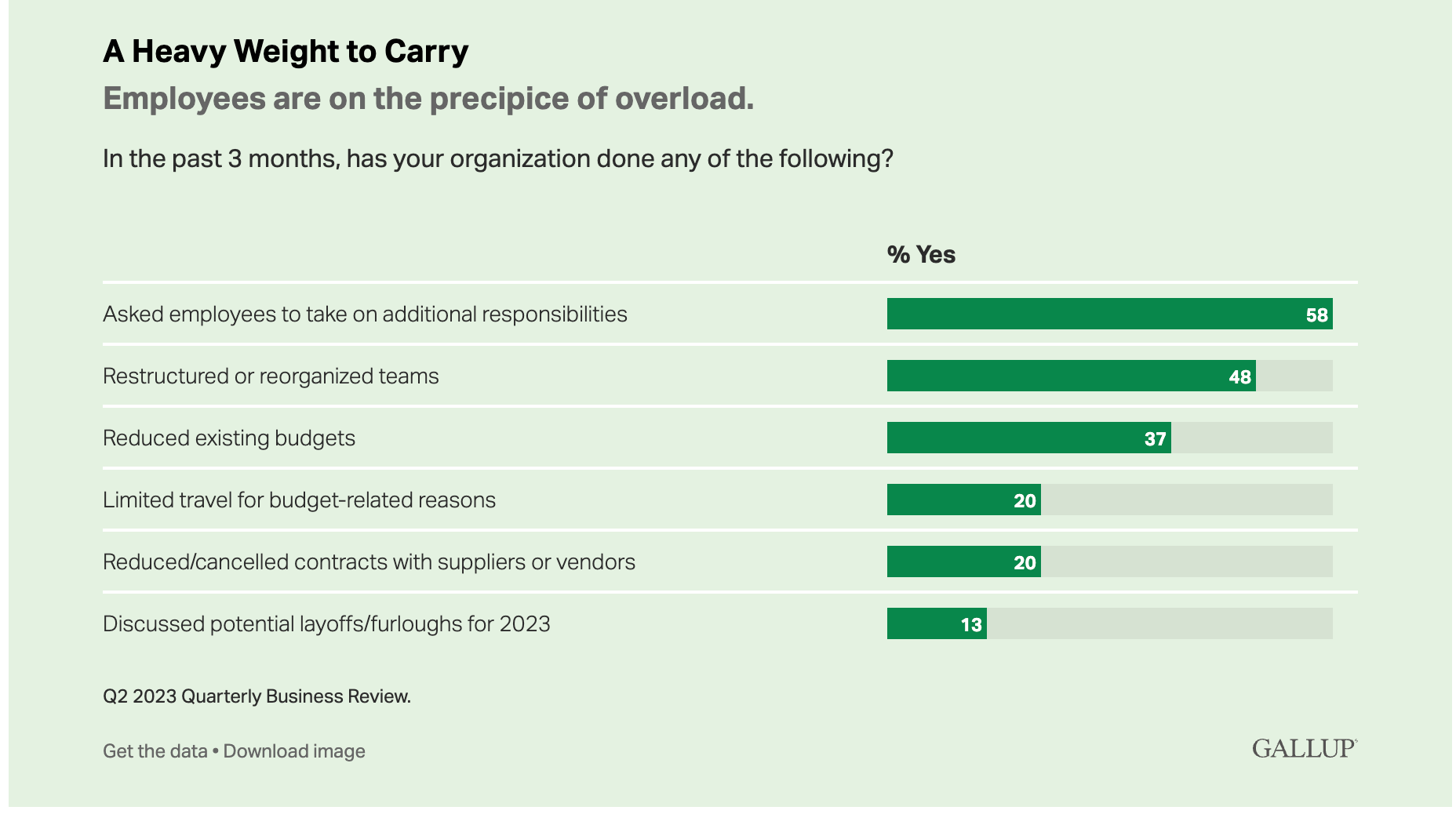
Fifty-eight percent of employees say their organization has asked workers to take on additional responsibilities, according to Gallup’s first-quarter survey of the U.S. workforce.
One consequence of a labor shortage is a higher demand for individual worker productivity. Employers look to their current workforce to fill the gaps of essential job openings that remain unfilled.
However, the risk is increased employee stress and burnout. When employees say that their organization has asked them to take on additional responsibilities, they are also:
2.5x as likely to feel burned out at work very often or always
55% more likely to watch for or actively seek a new job
39% less likely to be engaged at work
half as likely to think their employer cares about their wellbeing
Feedback loop: Employers are in danger of overloading their people, leading to increased sick days, disgruntled employees and departures, making their workforce problems even worse than before.
Fit New Work to Individual Strengths and Aspirations
The current labor shortage is unlikely to change anytime soon.
Forty-eight percent of senior leaders and team managers say that their organization is hiring new people and expanding the size of their workforce.
Forty-four percent of Fortune 500 CHROs agree.
In order to grow, employers need to increase the productivity of their people — without burning them out or driving them to competitors. That means maximizing human potential in sustainable ways.
Keep this in mind: New responsibilities can supercharge career development, if communicated clearly and structured carefully. When possible, roles and responsibilities should be customized to match individual talents to organizational needs. Team leaders should assign new work with an eye toward individual strengths. When people have the chance to do things they are naturally good at, they are less stressed, even as they accomplish more.
By Lydia Pelliccia and CAMICB Executive Director, Matthew Green, CAE
Knowledgeable, committed community association managers are the professional mainstay of the communities they serve, providing the skills and expertise that are essential to the effective management of their homeowner associations. ?These managers are dedicated to their career and take specific paths to further their professional knowledge and skill sets. For example, holding the Certified Manager of Community Associations (CMCA) credential – offered by the Community Associations Managers International Certification Board (CAMICB), is a mark of proficiency and high quality and is the only internationally accredited certification program in the world for managers of homeowner and condominium associations and cooperatives.
CMCA credentialed managers show their commitment to professionalism and staying on top of industry issues and changes in the field by complying with continuing education requirements in order to maintain their credential. This is done through a process called recertification and is the cornerstone of best practices in the credentialing industry. Recertification is an ongoing process designed to promote and prove continued competency in the community association management profession. This competency is demonstrated through participation in continuing education in the field of community association management by participation in at least 16 hours of continuing education coursework every two years.
Further, community association professionals may also choose to bolster their careers and expand their level of expertise in certain areas by earning a “specialty designation.” A “designation” is recognition of professional knowledge and expertise in a given subject matter or job skill. Certain specialty designations are offered through the Community Associations Institute (CAI) including, the Association Management Specialist (AMS), Large Scale Manager (LSM), Professional Community Association Manager (PCAM), Community Insurance and Risk Management Specialist (CIRMS) and Reserve Specialist (RS). This allows a community association professional to drill down into a specialized aspect of the business. In some cases, passing the CMCA examination is a prerequisite to applying for these designations, for example the PCAM and AMS.
Understanding the Role of a Community Association Manager
In broad strokes, the job of the CAM is part financial management, urban planning, facilities maintenance, community development, volunteer management, and project management.
Their role is to implement the policies set by the board of directors, oversee operations, services, and programs as laid out in the contract with the association, and provide information and advice to assist board members in their decision-making. Particularly, managers must be well-steeped in the details and nuances of guiding and advising their boards in specific areas that include meetings; governance, legal and ethical conduct; budgets, reserves, investments and assessments; financial controls; risk management and insurance; property maintenance; contracting; and, human resources.
Further, a strong credentialed manager must understand contracts and real estate documents to clearly explain the materials and answer questions raised by residents or board members.
“The role of an effective community association manager is a complex position that requires a unique blend of skills and characteristics,” said Australia-based Michelle Cummins, who is the Chief People & Client Support Officer at MaxSoft Group as well as Director at Strata Community Association Australasia and Director at Strata Community Association Victoria. Cummins went on to describe some of the essential characteristics and traits that an HOA manager must possess including optimism, kindness, good presentation skills and being “other-person focused.”
“An optimistic outlook can be a game-changer when dealing with challenging situations. It helps you focus on solutions rather than problems, which is crucial when you’re responsible for multiple stakeholders,” said Cummins. “Kindness fosters a positive environment, making it easier to work with vendors, Boards, and homeowners. Good presentation skills and
effective communication is key; from running annual general meetings to explaining financial statements, a good manager must be clear and engaging.”
Cummins describes “other-person focused” as being empathetic and focused on the needs of others which is critical to building strong relationships. And similarly, she noted that “intelligence isn’t just about IQ; it’s also about emotional intelligence and the ability to adapt and learn.”
In addition, an effective and compassionate CAM must have an expansive skill set that includes an array of “soft” skills. It’s imperative CAMs have excellent people and interpersonal skills, strong customer service and communications skills, and the ability to listen and collaborate in order to solve problems between residents, homeowners and Board members.
“Credentialed managers demonstrate excellent communication skills and customer service with the ability to perform the duties set forth by their Boards or residents with promptness, accuracy and integrity,” said Jennifer Andal, CMCA, AMS, PCAM, who is the Director of Better Communities in Dubai. “It’s so important for managers to be able to negotiate and understand the laws and be able to find middle ground for their stakeholders. Trusted managers are transparent with their Boards and admit when they make a mistake while offering a solution as they need the support of their Board to carry out their duties.”
Enhancing Soft Skills
Each year, Rhonda Drews, PCAM, who is a Vice President with Premier Community Management, spearheads the CAI-Coachella Valley (CAI-CV) Chapter Community Association Manager Day event for its Chapter managers. Drews shared the seven categories that provide the basis of the skills and knowledge managers need to be effective; these categories rely heavily on having strong “soft” skills. The following outline these important areas and are excerpted from the CAI-CV Chapter Committee’s CAM Day materials:
Leadership – A good HOA manager must be confident enough to discuss best practices and not let others intimidate them. Some Board members will be very opinionated, and you as the manager should know how to respond to them in a helpful and constructive way. A manager should be able to act as the HOA’s leader as well as know when to delegate responsibilities to others.
Professionalism – Professionalism means more than putting on a business suit every morning. Professionalism includes written, verbal, and physical presentation of yourself. A professional manager will remain calm in tense circumstances, won’t raise their voice, or show frustration as this will typically escalate situations. Having conflict resolution skills is a plus too, as it will help you resolve issues without needing legal intervention. Additional traits are: being accountable and taking responsibility for yourself as well as displaying emotional intelligence, accepting feedback, criticism, and building interpersonal relationships.
Communication – Communication is key, especially when it comes to community association management. A strong manager must communicate daily with their Board, residents, and business partners, and must be able to properly listen and respond to others and clearly articulate their thoughts. Additional communication skills include using proper email etiquette, punctuation, vocabulary, proactively communicating, and responding in a timely manner. A strong manager should be able to interact well with all types of individuals, including residents, the Board, and business partners, despite any differences in background, opinions, or beliefs. If a manager has conflicting thoughts, they can still explain their side — but in a way that is neutral and respectful to all parties involved.
Managers must also be prepared to say no to something without making it sound negative and/or spinning a bad light on management and/or the Board. It’s crucial that managers be good listeners. After all, communication is one of the biggest components of community management. Many people will come to you with their concerns (sometimes angry concerns), and you should have the patience to listen and try to understand each member’s situation so you can help effectively find solutions.
Community Association Governance – Managers must be well-versed in the workings of their HOA(s), and its governing documents. This includes staying up to date on Federal and State laws regarding HOA communities, which is so important for ensuring the HOA is running according to the law, their governing documents, and the management contract. A good manager will be proactive and aim to serve their client to their fullest ability and take pride in the work they produce. An HOA manager doesn’t need to be a professional accountant, but it’s necessary to have a general understanding of accounting. This goes a long way when maintaining the monthly, quarterly, and yearly HOA budgets. Your Boards should be able to rely on your recommendations when it’s time to make important financial decisions for the community.
Business Partner Relations – Business partners are your allies. A community association manager should respect their business partners and rely on their expertise. It’s not necessary to have the specific knowledge of the various trades, but it helps to have general understanding of the work or service being provided and to be able to effectively communicate the needs of the project/community to the business partner. A strong manager should get to know the general process of each service or maintenance component which will make communication more successful between you and your business partner. RFP’s should be requested to allow for appropriate response times and not burden the tradesperson. The manager will be able to understand the expected time period and rate for projects and respond timely and appropriately to ensure the RFP is received in good order. A good manager will prepare bid comparisons for the Board upon the completions of the bidding process.
Conflict Management – When running an HOA, managers will have to deal with a diverse group of people. There will be disagreements and opposing views on correct procedures. You may have neighbor to neighbor disputes and there are other multiple situations that may arise that will require a manager to mediate a situation. Dispute resolution is an integral part of HOA community management duties.
A successful HOA manager will know how to negotiate between parties and help them all come to a compromise. No one will get everything they desire, of course, but proper mediation can leave people happy enough with the results and feel like their opinion has been heard and considered. The relationship between the manager and the Board members is crucial to the success of the community. Apart from that, it’s important to be a manager that they can trust. When there is trust, the Board and manager become more productive and efficient. Through this collaboration, good managers are able to meet the needs of their community and its residents; confidentiality and neutrality are important traits as well.
Time Management – Having many tasks can be overwhelming for anyone. However, a good manager will be able to handle multiple HOA responsibilities and tasks at the same time. Attending to one matter at a time is ideal, but often times unrealistic. Situations or certain periods of time, such as “in-season,” will arise that will require managers to multitask in order to meet everyone’s needs. There will always be a never-ending list of tasks, and managers need to find ways of handling them. Time management also involves setting boundaries that allow a manager to have a better quality of life and hopefully less stress. Understanding and practicing work life balance is key for any successful manager.
Resource Corner
Making use of the wide variety of resources available to managers is critical to staying on top of industry news, events, and any changes arising in the profession. The Community Associations Institute (CAI), its website (www.caionline.org) and local CAI Chapters also offer an array of resources and networking and professional development opportunities. To find a local chapter go to: https://www.caionline.org/Chapters/Pages/Find-A-Chapter.aspx
Below is a sampling of industry resources.
SmartBrief – Stay on top of industry news by subscribing to the Community Association SmartBrtief, a free, weekly e-mail newsbrief specifically designed for community association managers. CAMICB offers this complimentary resource aimed at bringing readers a quick, two-minute read that will help managers keep up-to-date with the latest news and trends in the profession. Similarly, be sure to follow the CMCACorner Blog, a platform to read about the intersections of business, industry trends, continuing education, and professional development in community association management.
Management Company Websites – Many management companies have blogs, case studies and other articles available to the public that cover a wide-range of topics and often showcase real life examples of managers in action.
CAI Exchange – An online forum that allows members to collaborate and connect with colleagues. Topics range from emergency notification systems to budgeting for insurance in the coming year to managing board member actions and everything in between.
Common Ground – CAI’s flagship magazine that provides in-depth information and examples on how volunteers and professionals can improve their communities. Select content available to nonmembers.
Community Manager – CAI’s bi-monthly newsletter for community association managers that covers topics like technology, condominium and portfolio management, and professional development. Select content available to non-members.
The Foundation for Community Association Research – The Foundation supports research and develops publications on a variety of topics that can help managers develop more effective and harmonious community associations. FCAR produces publications that include the Community Association Fact Book, Best Practices Reports, Catalyst, the Foundation’s newsletter, and more.
CAI Chapter Newsletters – CAI has 63 chapters worldwide, including Canada, the Middle East and South Africa. Managers should visit their local chapters’ website as many of these chapters produce newsletters, blogs and other forms of communication that can be valuable resources.
HABITAT – is an independent publication that mixes storytelling and service articles to cover issues of co-op/condo living and management concerns from the perspectives of board directors, community association managers and property managers. Per its website, “HABITAT provides credible, objective, substantial coverage – readable, informative, human-interest stories to illustrate and educate our readers on how people effectively govern and manage their associations and successfully contend with the complex issues of co-op/condo living.”
HOAleader.com – HOAleader.com was created to support the dedicated community of association managers and other professionals who work to realize the potential of their association—Board and committee members, property managers, attorneys, financial professionals, insurance professionals, developers, vendors, and homeowners. Among other things, it offers legal compliance help, advice on best practices, and practical tips, tools and sample forms.
A Growing Career For A Growing Industry
Community association management is a young profession that has experienced staggering growth since its beginning just over 40 years ago. According to U.S. government reports, in 1970, there were approximately 10,000 community associations. By 2020, that number has grown to more than 350,000 community associations, home to nearly 74 million people. Housing construction statistics show common interest developments are the fastest-growing segment of residential home construction, and rapid growth is expected to continue.[1]
The nearly 74 million people in the United States who live in covenant-protected communities rely largely on CMCA certification as proof of ethical, knowledgeable, professional community association management and CAMICB is proud to support the highest level of professionalism in the field.
What It Means And What It Takes To Be An Effective Community Association Manager is the first in a series of articles, produced by CAMICB staff, that delve into the important issues and topics affecting community association managers.
[1] Opportunity Knocks – Opening the Door to Careers in Community Association Management, a guide from the Foundation for Community Association Research, Community Associations Institute, and the Community Association Managers International Certification Board https://www.caionline.org/LearningCenter/CareerCenter/Pages/Excel.aspx
A variety of study aids are available to CMCA exam candidates online at CAMICB.org. Because CAMICB recognizes that people have different learning styles, multiple resources are available in various formats. A quick glance at those resources can be overwhelming. Here, we offer a roadmap designed to help you select and properly use those resources towards a successful outcome.
STEP 1. CMCA Study Guide. Download this FREE guide for an overview of how the CMCA exam was developed and how it’s structured. This is important to developing a study strategy. Here, you will also find the key to your studying success: The CMCA Knowledge
8 Knowledge Areas
Areas. You will be evaluated on these 8 knowledge areas, and understanding your strengths and weaknesses in each area, as well as how each knowledge area is weighted, will help you properly prepare a solid study plan.
STEP 2. CMCA Handbook. Download the FREE handbook for an overview of the program, paying particular attention to:
Section 2: Taking the CMCA Exam highlights the policies and procedures of the exam.
Section 3: CMCA Examination Content and Study Materials offers just that, as well as strategies for standardized test-taking.
STEP 3. If you took CAI’s M-100: The Essentials of Community Association Management, you are not fully prepared to sit for the CMCA exam. The M-100 will provide you with concrete knowledge (i.e., terms and definitions) but will not give you the knowledge to apply those terms and definitions to concepts. For example, What is a Quorum? is not a question you will see on the CMCA exam. You may, however, see a question like this, Quorum requirements conflicts are resolved by which of the following? That doesn’t mean you can skip this step. It’s still important to know the definitions in order to be able to apply them.
STEP 4. Quizlet is a FREE online tool that uses fun games and exercises to test your concrete knowledge. If after reviewing the M-100 course material, you find that your knowledge of terms and definitions is lacking, Quizlet is an excellent way to help you master those key terms and phrases, and prepare you for the next step in your study plan.
STEP 5. Best Practices Reports are FREE resource guides courtesy of the Foundation for Community Association Research. These Reports will help you gain applied knowledge in key areas found on the exam. Each report also contains case studies to help you understand how best practices are applied in real life situations, which is key to grasping an applied knowledge of these topics. If you’re a seasoned manager, spend a little extra time here. What you’ve learned on the job, may not be deemed best practices in the industry.
STEP 6. The CMCA Study Kit is available for purchase from the CAI Bookstore. A great tool for developing applied knowledge, you may purchase individual titles or the entire package depending on your needs.
STEP 7. CMCA Practice Exam is available online at a cost of $25 for one attempt and $40 for two. The Practice Exam includes questions that have been rotated off the exam and offers real time feedback on whether you were right or wrong on a question and why, offering real-world insight into the CMCA exam experience.
All of these materials to prepare you for the CMCA Exam can be found at CAMICB.org on the Exam Preparation web page. We encourage you to spend at least 6-8 weeks preparing for the Exam, and if you have any questions you can contact us at 866-779-CMCA or info@camicb.org.
We’d like to hear from managers who are studying for the exam. What’s working for you? What’s not? Please use the Comments section to let us know how you’re doing!
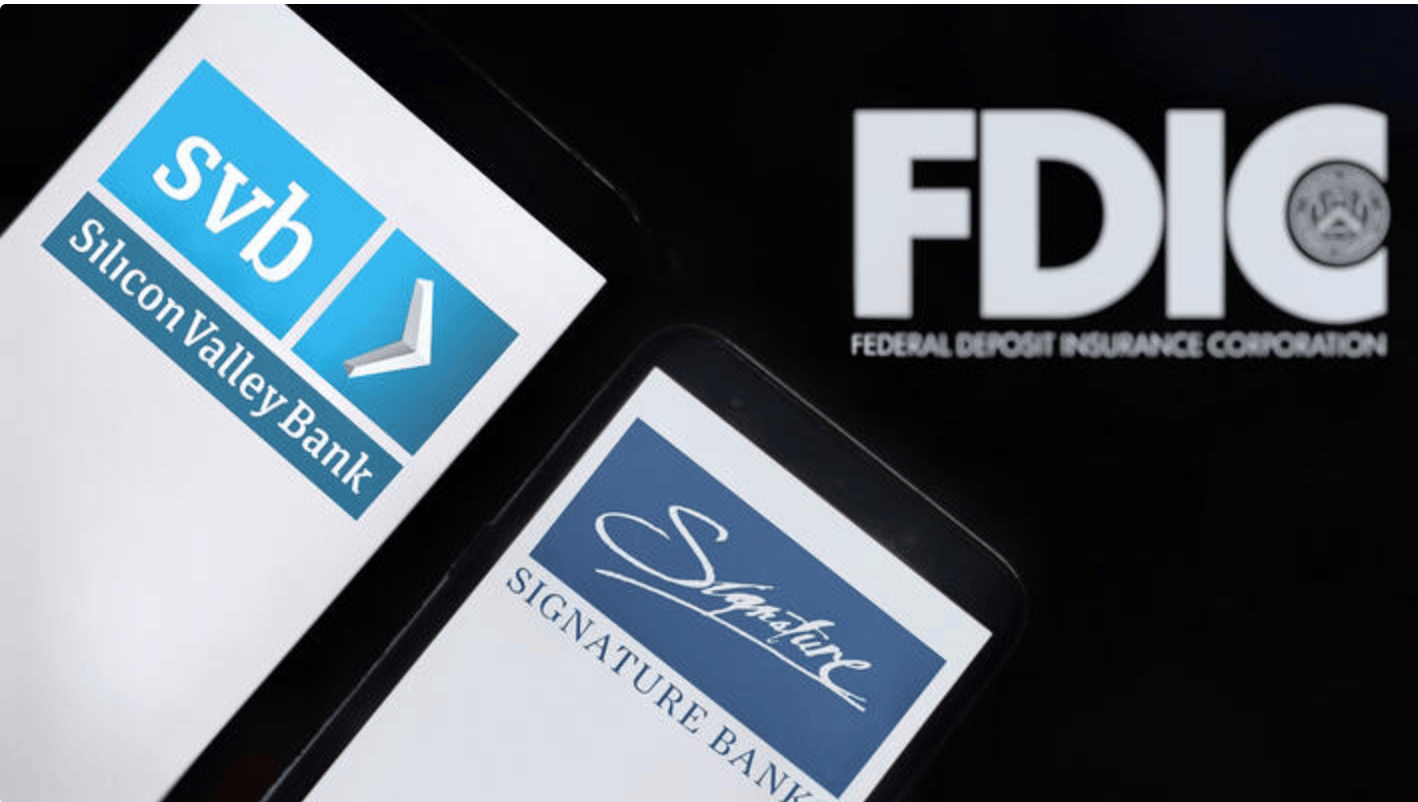
In the wake of the second- and third-largest bank collapses in U.S. history — and the ensuing tumble of stock markets around the world — jittery co-op and condo boards in New York City are asking a chilling question: Is our money safe?
The answer, most likely, is yes — given the Federal Deposit Insurance Corporation’s backing of all deposits up to $250,000, the federal government’s promise to make all depositors whole at the two failed banks (without using taxpayers’ money), plus the fact that the big national banks and most large regional banks are on solid financial footing. But that doesn’t mean boards don’t need to be careful when they park their money, either for operating budgets or reserve funds.
Experts from the banking, legal and property management professions offer the following tips.
“Your property manager should check out the financial health of a bank before you deposit your money there,” says Adrian Martin, a managing director at Webster Bank.
While most property managers are not trained financial analysts, Martin and other bankers note that much information is public record, including earnings reports, credit ratings, portfolio diversity and whether a bank is open to risk, such as the cryptocurrency depositors who helped bring down Silicon Valley Bank in California and Signature Bank in New York. Also, the percentage of a bank’s deposits that are not F.D.I.C-insured can be a barometer of potential trouble. At 93.9%, Silicon Valley ranked second highest in the nation, and at 89.7%, Signature ranked fourth highest, according to Standard & Poor’s. Bank of America is at a comparatively modest 47.1%.
“I advise boards not to just look at the interest rates a bank is offering,” says Thomas Thibodeaux, chief financial officer at New Bedford Management, who has a banking background. “I resist when boards tell me about an online bank that’s paying high interest rates. I’ve advised boards it’s not a good idea to put their money in a bank nobody’s heard of. I don’t need to see a branch on every corner, but I do want to see profitability and stability. We want a conservative bank. Our bank gives us quarterly financial reports, and we look at them. Property managers should pay attention to that.”
Personal relationships also matter. “Boards should be working with a bank that has a real-estate team that’s familiar with the needs of co-ops and condos,” Thibodeaux adds. “You want to be able to speak to a banker.”
Many co-op boards that refinanced their underlying mortgages when interest rates were at historical lows are now holding sizable funds. One way to keep that money safe is to use a service that deposits the board’s money in a nationwide network of F.D.I.C.-insured banks, with a maximum $250,000 per bank. This option offers the trifecta of protection, interest accrual and liquidity. Experts agree that protecting funds should be a higher priority than seeking a high return on investment. Another option for a board with $1 million is to open $250,000 accounts at four banks. But that can lead to headaches.
“Boards and management companies change, and those arrangements can become very problematic,” Thibodeaux says. “You can lose track of who the signatories are. You would rather deal with one representative inside one bank.”
Steven Sladkus, a partner at the law firm Schwartz Sladkus Reich Greenberg Atlas, spent a recent day dealing with a representative inside Signature Bank’s midtown offices — trying to withdraw sizable accounts held by his individual clients (not co-op or condo boards).
“I had to fight for my clients’ money because the bank was inundated with thousands of requests to withdraw money,” Sladkus says. “As fiduciaries, co-op and condo boards want to take utmost care where their money is placed. The bank might offer a high interest rate, but you can’t get a banker on the phone. It’s also helpful if you have financial people on the board who can chime in. At the very least, consult a financial professional if you’re unsure where to put your money. There’s nothing shameful in seeking professional advice.”
Are you putting your most valuable assets in the hands of the most qualified professionals?
As a homeowner, it’s in your best interest to protect one of the biggest investments you’ll ever make. Therefore, it’s critical to know if your community is managed by a Certified Manager of Community Associations (CMCA). CMCAs manage condominium & homeowner associations, housing cooperatives, resort communities and commercial tenant associations.
If you serve as a board member, trustee, or volunteer leader working with your homeowner’s association, condominium association, or cooperative, your decisions have a profound ?nancial impact on your community. There are more than 20,000 quali?ed community association managers who hold the CMCA credential. Hiring one of them to manage your association ensures you have the best resources available to make important decisions about reserves, maintenance, insurance, budgets, governance, contracts, the law, rules enforcement, and more. Receiving professional, accurate advice and guidance on such issues can mean the difference between prosperity and disaster.
What a difference a credential makes!
About the CMCA Credential
The Certi?ed Manager of Community Associations (CMCA) credential is the only international certi?cation program developed solely for managers of homeowner and condominium associations and cooperatives. The CMCA is awarded to individuals who have demonstrated core competency in the knowledge areas required to perform effectively as a community association manager and who have made a commitment to continuing education and the highest standards of professional conduct.
Governing board members and homeowners are encouraged to seek committed, quali?ed professionals to manage their communities. Hiring a CMCA ensures expert management by someone who has demonstrated the specialized skills required to lead a community association successfully.
The CMCA program is dual accredited. The National Commission for Certifying Agencies (NCCA) accredits the CMCA program for meeting its U.S.-based standards for credentialing bodies. The ANSI National Accreditation Board (ANAB) accredits the CMCA program for meeting the stringent requirements of ISO/IEC 17024 Standard, the international standards for certification bodies. The program’s dual accreditation represents compliance with rigorous standards for developing, delivering, and maintaining a professional credentialing program. It makes the CMCA credential one of a small number of dual-accredited credentialing bodies and the only accredited certification for community association management professionals around the world. It is a great source of pride and a strong testament to the strength and value of the CMCA credential.?
Do you know if your manager is CMCA-certi?ed? Search our Directory of Credentialed Professionals at www.camicb.org/?nd-a-cmca.
Curiosity is critical to professional success. A curious mind will spot and solve problems, while being unafraid to try something new. It will seek out the insights of others, and open itself to expanded thinking. A curious person will never succumb to apathy, instead pushing consistently for growth, innovation, and improvement. Anyone seeking to build a successful career must embrace curiosity.
But curiosity isn’t just essential to professional advancement — it’s central to crafting purpose and meaning at work. We all want to feel that our work is meaningful, and we all have an opportunity to make it so. But it takes curiosity — about ourselves, our work, and the people we work with — to unlock deeper purpose each day.
In my book, the HBR Guide to Crafting Your Purpose, I outline four essential ways in which any person can better pursue professional purpose: craft your work, make work a craft, connect work to service, and invest in positive relationships. Engaging in these four simple practices makes any job more meaningful. But each of us must embrace curiosity to fully mine these practices for meaning.
Craft Your Work
One of the best ways to enhance the meaning you get from work is through job crafting — the art of making small changes to your work life to turn the job you have into the job you want. The idea is that by making small changes to your work, you can tailor it to your unique passions, personality, and interests in a way that maximizes its meaning to you and others. My favorite example is Curtis Jenkins, a Dallas bus driver who managed to revolutionize his position to create what reporters called a “yellow bus utopia” while changing hundreds of lives.
Curiosity is a necessary pre-condition for job crafting. It starts with a self-evaluation. Ask yourself questions such as what am I good at (really)? What do I love to do? What makes me happy on the job? A thoughtful self-understanding explored deeply and with an open-mind can provide the foundation upon which job-crafting is built.
Then, apply this self-awareness to the job:
What elements of my job could I tweak to be more meaningful for me and more impactful for others?
Can what I currently do be done differently?
Is my job, as structured, solving the most important problems — for the organization and those we serve — in the best ways?
To get started on this practice, make a list of the core people you serve in your work, then list the outcomes of your job that help to serve them well. Then reflect on your current tasks and see if there are ways in which you could serve those people as well or better by doing your work differently. You may find ways in which to craft your work that are both better for them and more meaningful for you.
Make Work a Craft
The second way to make work more meaningful is to make it a craft. For much of history, people would often practice professions inter-generationally. Trades like farming, carpentry, and cobblery might pass generation to generation in a family. And often a person would painstakingly perfect the craft over a lifetime. This quest for perfection and constant improvement created the most memorable achievements in history — from the murals of the Sistine Chapel to breakthroughs in genetics and the elegant simplicity of the original Mac.
This commitment to craftsmanship offers a sense of purpose in and of itself. As I explain in my book, we all gain meaning from work well done. There’s intrinsic motivation and purpose in knowing that we’ve put our best efforts into something, that we’ve honed a craft in a way that challenges us.
But how can we find opportunities for craft in our modern jobs? After all, building financial models or leading a team in a factory can feel a bit distant from Michelangelo’s historic masterworks or the genius of Steve Jobs. But craft is not about historical impact. It’s about self-improvement and a quest to push the limits of our own performance — to take on new challenges and achieve something hard and unique. When I was an analyst at McKinsey, this looked like building beautiful Excel models with elegant formulas that could last clients years. I did this whether the partners noticed or not because I took pride in challenging and improving myself. In your job, it’s something else. Curiosity can unlock it.
Ask yourself:
What are the core elements of your job that require excellence?
What skills do you need to perform that job well?
What are one or two areas you can focus on now to make a craft, and how can you improve day-by-day until you do those things better than anyone else and to the best of your ability?
To begin, pick one area of your work you’d like to try to hone and perfect. Make this something you enjoy that is important to your job. Then assess the 5-10 ways you could make it better and begin working to improve them and challenge yourself. Keep notes each day or save old versions sequentially so you can see your improvement over time.
Connect Work to Service
There’s almost nothing in life that improves our sense of well-being and purpose like service to others. Numerous studies have shown that acts of service have an immediate impact on happiness and fulfillment. And in my own life, I’ve rarely felt as purposeful as when building a Habitat for Humanity home with colleagues, serving in a soup kitchen, or reading to kids at a local school.
Service doesn’t have to be confined to volunteer work in a community, however. As I’ve outlined in a previous article, there are at least six opportunities to serve others in any job: clients or customers, colleagues, capital, community, partners, and people we love. Knowing this and seeking opportunities for service in each of these areas can bring meaning to work.
But identifying the people we serve and ways to serve them requires deep-seeded curiosity. Consider these questions:
Who are my clients?
What do they need?
What are the key obstacles to their well-being that I’m helping to overcome in my work, and how can I do it better?
Which colleagues need my help the most?
How can I effectively offer that with no expectation of return?
Which two or three people could I best serve today?
These questions, founded in curiosity, are at the heart of service to others. Pick two of the six areas you like above — colleagues and customers for example. Think of 2-3 individuals in each of those two groups you could serve better and spend the next month trying to really understand them, and ways to use your work to serve them well.
Invest in Positive Relationships
In social science literature, perhaps nothing is as central to happiness as meaningful positive relationships with others. Such relationships are essential to Martin Seligman’s PERMA framework for flourishing and the findings of the Harvard Grant Study that “Happiness is love.” And those findings are echoed in the works of many others.
Relationships aren’t confined to our personal lives. Each workday we spend more than 8 hours with work colleagues, whether remotely or in person. And trying to navigate work in the absence of meaningful relationships is a recipe for disappointment. Positive relationships at work can help us to flourish, can make others happy, and can create extraordinary corporate cultures.
At work, as at home, relationships rest on empathy and curiosity. We can’t have a relationship of mutual care and respect with someone if we don’t display a genuine curiosity for that person. Ask:
Who are they?
What matters to them?
What are their anxieties and fears, passions, and purpose?
On any given day, how are they feeling?
What are they interested in intellectually?
Constantly approaching others with curiosity will naturally build your own empathy and show those people you care — creating meaningful relationships in the process. When you are interacting with work colleagues over the next month or two, consciously make a game of trying to know them better. Ask more questions than you answer. And carve out time for conversations and interactions with your colleagues that don’t just accomplish your work tasks but (in a professional way) enhance the relationship you have with them. Improving your work relationships will make you and those around you happier, and it will probably make you more productive as well.
Curiosity is undoubtedly essential to professional success, but it’s also at the heart of purpose. Living with greater curiosity at work can help us to craft jobs and professional environments that help us and others flourish.
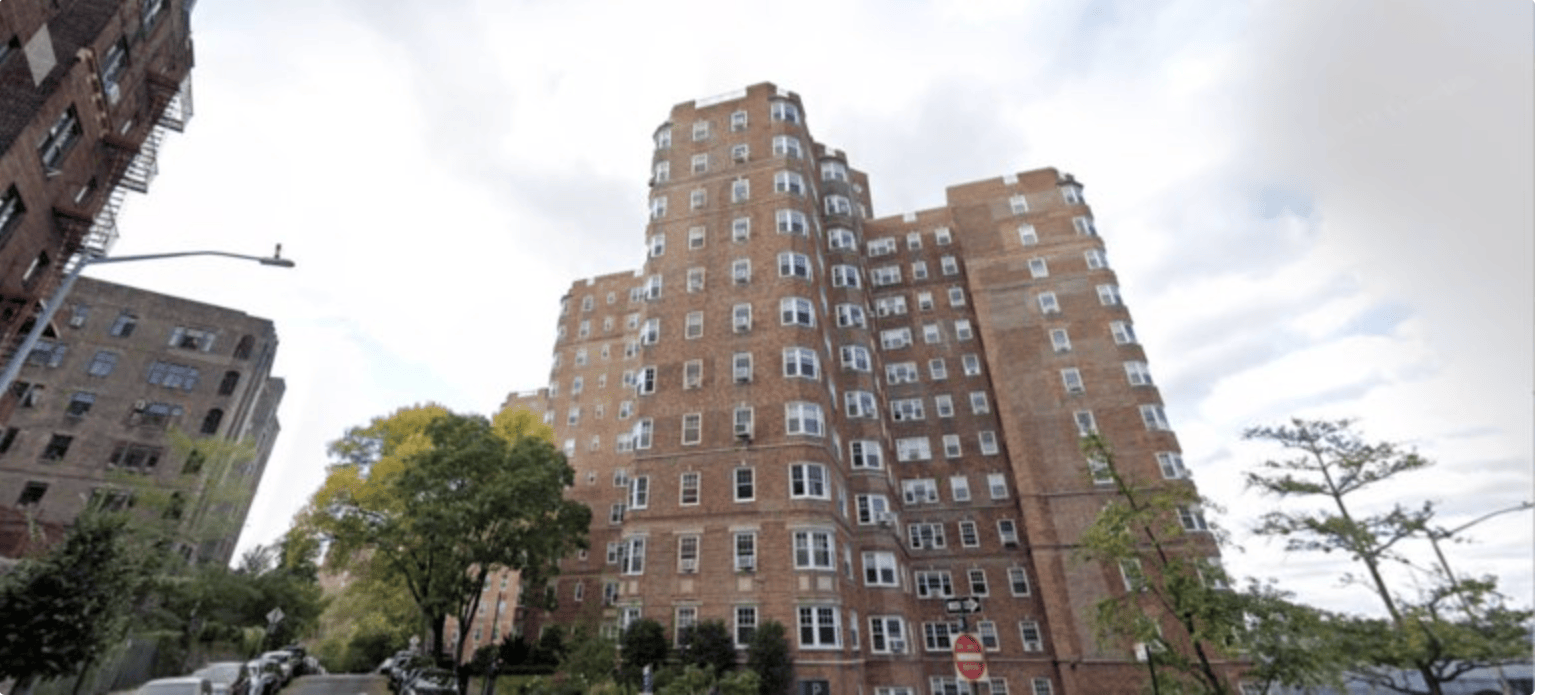
The co-op board at Castle Village was forced to raise maintenance by 19% and levy two assessments.
When its 65-foot-tall retaining wallcollapsed onto the Henry Hudson Parkway in 2005, shareholders in the Castle Village co-op were on the hook for $27 million in repairs. That trauma is ancient history, but today those shareholders are faced with rising costs that are less dramatic but possibly even more devastating. And they’re emblematic of the pressures that are squeezing co-ops and condos across the city.
Early this year the Castle Village co-op board raised everyone’s monthly maintenance fee by a whopping 19%, according to documents seen by Crain’s. That increase is just the start. There’s also an ongoing assessment to rebuild the co-op’s reserve fund, and in January comes a “special assessment” that’s planned to last four years. For some shareholders, the cost of living in the co-op has jumped by 50% in the past year.
But their plight is hardly unique. Owing to rising costs for repairs, insurance, energy, property taxes and compliance with a host of local laws, co-op and condo boards across the city are forcing neighbors to swallow huge cost-of-living increases. Data from research firm Miller Samuel show that monthly operating costs for co-ops have jumped by 53% since the start of 2020 and by 51% at condominiums. That’s more than double the accumulated rate of inflation, according to the U.S. Department of Labor.
Castle Village’s energy costs doubled last year, to $1.6 million, because the price of oil soared after Russia invaded Ukraine. Insurance costs for all co-ops and condos erupted after an apartment building on the Florida coast collapsed two years ago. Adding to the financial burden, the city’s Facade Inspection and Safety Program requires the inspection and repair of facades every five years, and Local Law 97 of the city’s ambitious Climate Mobilization Act will require a reduction of building carbon emissions beginning next year, a potentially costly mandate for a small percentage of buildings. To top it off, higher interest rates mean higher borrowing costs.
“The cost of everything has gone up,” says Mary Ann Rothman, executive director of the Council of New York Cooperatives & Condominiums, which represents about 1,000 buildings.
One thing is certain. As those costs go up, co-op and condo boards cannot stand still. Budgets must be balanced. And the only ways to do that are to cut expenses, increase maintenance, levy assessments, take on added debt — or some combination of the four. Aware of this math, some boards are raising maintenance fees by 6% to 12% annually. The norm used to be 3% or even less.
Castle Village’s board president, Andrew Ditton, realizes the steep maintenance increase and assessments are asking a lot of his neighbors. But previous boards put off essential repairs because the co-op’s bank account was emptied by the cost of fixing the collapsed retaining wall two decades ago. Now, the bill for everything else that needs fixing at the 85-year-old co-op is due.
“The good news,” Ditton says, “is we’re way more than halfway done with everything we need to do.” The bad news for other co-ops and condos is that expenses are sure to keep going in one direction: straight up.
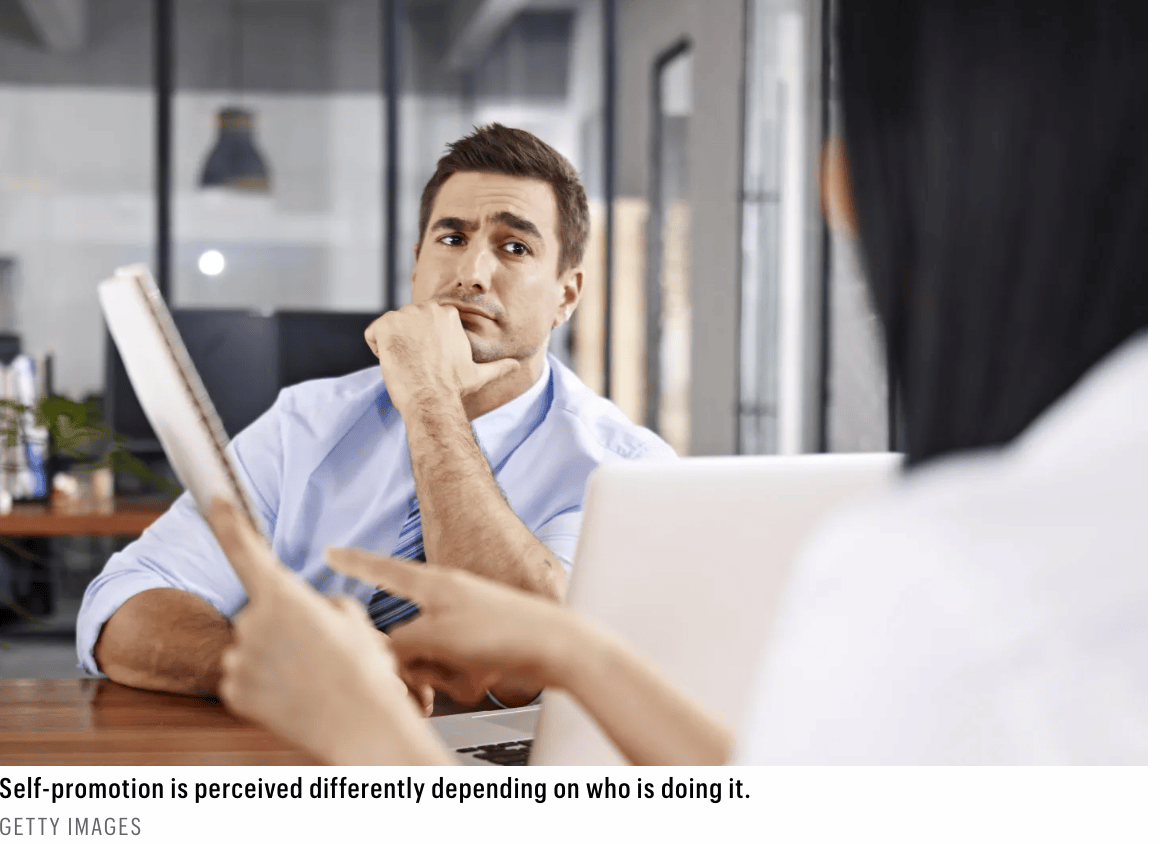
Nothing is more annoying than someone bragging about their success. Right? Not necessarily so, according to new research conducted at INSEAD. When bosses brag, it can inspire their reports to put more effort into their own work. Specifically, when bosses, whom employees regard as role models, brag about their work accomplishments, their subordinates report feeling more inspired and motivated.
However, it’s entirely another story when we hear our peers at work brag–their accomplishments threaten our ego. If they managed to achieve that success, why haven’t we? It is triggering.
When a role model mentions one of their achievements, we tend to appraise it differently. Their higher rank in the organization makes us think that they have earned their success. When they share work-relevant positive stories about themselves, this information becomes a roadmap for people who aspire to achieve similar success. Our findings are in line with recent research showing that observers are much more receptive to self-promotion when it is framed as a journey toward achieving success rather than mere bragging about end results.
Bragging is in the eye of the beholder
The benefits of self-promotion can be seen in various spheres. For instance, social media influencers can garner likes, comments, and even hundreds of thousands of dollars with a single self-promoting post.
In the past, much of the research about self-promotion focused on what self-promoters stand to gain or lose. For instance, does bragging help when pitching to investors? (Answer: Yes, you should do it.) In our research, we looked at the affective and emotional impact of self-promotion on those who witness it.
We ran nine experimental studies involving some 2,600 participants in the U.S., U.K., and Singapore. Work was always the supplied context of our experiments. Across studies, subordinates reported feeling hopeful and inspired when they observed a superior engaging in self-promotion. However, when their own peers (or subordinates) bragged in the exact same way, we observed no such aspirational effect. In this case, our results align with research that found self-promoters were perceived as arrogant (perhaps highly competent, but mostly arrogant).
In some of our studies, we asked participants to describe real-life instances where they witnessed self-promotion at work. In other studies, we asked them to consider how they would feel in various hypothetical situations. For example, in one study, participants watched a 20-second video in which a “colleague” explained how she had been selected to lead an important project.
Overall, we used various techniques to create personally relevant and believable experimental scenarios. Then we measured the observers’ reactions: Did they feel positive, enthusiastic, or excited–or did they feel threatened, angry, or annoyed? And to what extent?
Inspiring others to work toward their future selves
Our data established a first condition: For bragging to boost motivation, the role model must be admired and respected by the observer. It was also critical that those higher in the hierarchy talked about a success that observers could imagine achieving themselves one day.
For instance, in an experiment, the self-promoter said that he had landed a prized job because he had spent his childhood in Japan–a condition essentially impossible to replicate for participants. Therefore, they felt considerably less inspired than other participants who were told that the promotion was a reward for having met sales goals six months in a row.
The achievement also needs to be directly relevant to the observers’ own professional life. For example, participants were left uninspired when the self-promoter bragged about adding a new Rolex watch to his collection. Although the collection of expensive watches implied material success, it wasn’t relevant to observers when it came to furthering their own goals.
Interestingly, our research didn’t reveal any gender or race effect. That is, whether the braggart was of the same gender or same race as the observer didn’t influence our results. The aspirational effect remained consistent. The age or level of education of the participants also didn’t matter.
However, other research on role models has shown that we are more motivated by the achievements of people we can identify with. For instance, using female role models in advertisements for a female-only software coding bootcamp increased the take-up rate in Latin America. When young Latinas were shown proof that the tech industry wasn’t closed off to them, it boosted their motivation to give this career a try.
To inspire your team, tell them about achievements that are in the realm of the possible for your reports. Success should be due to factors under the control of most people, such as effort, as opposed to luck or personal circumstances that can’t be replicated. Include actionable steps that create a roadmap for how to achieve similar success.
It’s essential that you don’t brag about things that your subordinates could never achieve due to obvious constraints, like resources. Avoid repeating yourself. Telling the story once will do.
It’s official: Whether it’s over a chat at the water cooler or on social media, if you’re a team leader, don’t hesitate to share positive things about yourself when your reports are around. It might just give them the boost they need to achieve their own goals.
Kelly Nault is an assistant professor of human resources and organizational behavior at IE Business School. Andy Yap is an associate professor of organizational behavior and academic director at INSEAD Centre for Organisational Research.
How the AI revolution is different: It threatens white-collar workers
By Megan Cerullo for CBS News
The emergence of artificial intelligence like ChatGPT has aroused fears of these tools replacing people in a range of professions, from coders to truck drivers. Although such concerns tend to ignore technology’s potential to create jobs, new forms of AI do pose a risk to some workers, new research from Indeed suggests: white-collar workers.
“Surprisingly enough, knowledge workers are facing the highest level of exposure here, which is quite different with what we’ve seen with other revolutions,” Gudell said. “With automation, often it was manual labor that was replaced,” Svenja Gudell, chief economist at the job-search platform, told CBS MoneyWatch.
Unlike previous cycles of technical innovation, in-person, often low-wage jobs that rely heavily on humans being physically present are likely to be the the most resilient to encroaching AI, she added.
“Driving cars still currently takes a person. Or child care. We probably wouldn’t give our kids over to the robots quite yet,” she said. Gudell added that “We’ll see the destruction of some jobs but also the creation of others along way. The human element still carries a lot of weight in these jobs — you really can’t do without it.”
What jobs are most at risk?
Among the openings currently on Indeed, software and coding jobs are the most exposed to replacement by AI, the firm found in a its analysis. That’s because so-called generative AI was determined to be adept at performing 95% of the skills these jobs require.
In addition to software development, information technology, mathematics, information design, legal and accounting positions are also among the more exposed professions.
By contrast, truck and taxi driver jobs are least exposed to AI, which could only adequately perform about 30% of the necessary skills, according to Indeed. Other jobs that are relatively insulated against AI include cleaning and sanitation as well as beauty and wellness jobs, in part because they are least likely to be performed remotely.
Another key takeway, according to Indeed: The more suitable a job is to remote work, the higher its potential exposure is to generative AI-driven change.
“A lot of in-person jobs heavily rely on that human element. You might mix in parts of generative AI there, but at the end of the day a nurse still needs to be present to stick the needle in the patient’s arm to draw blood. With sales reps, a lot of in-person communication happens when talking to clients,” Gudell said.
To be sure, AI is unlikely ever to fully replace humans even in areas where the technology excels. But it may supplant some workers whose jobs are rote and who don’t employ AI to make them more productive.
“It could mean you as an employee can use these tools and focus on higher productivity-level skills on the job. From the employer perspective, instead of hiring 15 copy editors, you might employ five because generative AI carries the load,” Gudell said.
Of all the vacant positions on its platform, Indeed said that 20% are highly exposed to generative AI. Just over 45% are moderately exposed, and 35% are minimally exposed, the firm found.
Still, it is likely premature for workers in highly exposed occupations to overhaul their careers based solely on the potential threat of AI, according to Indeed.
“It’s too early to switch to another job because we are still in the beginning days of this technological advancement,” Gudell said. “We will see what it means for jobs of the future, to see how it will be translated to everyday actions on job.”





 STEP 4.