HABITAT Magazine
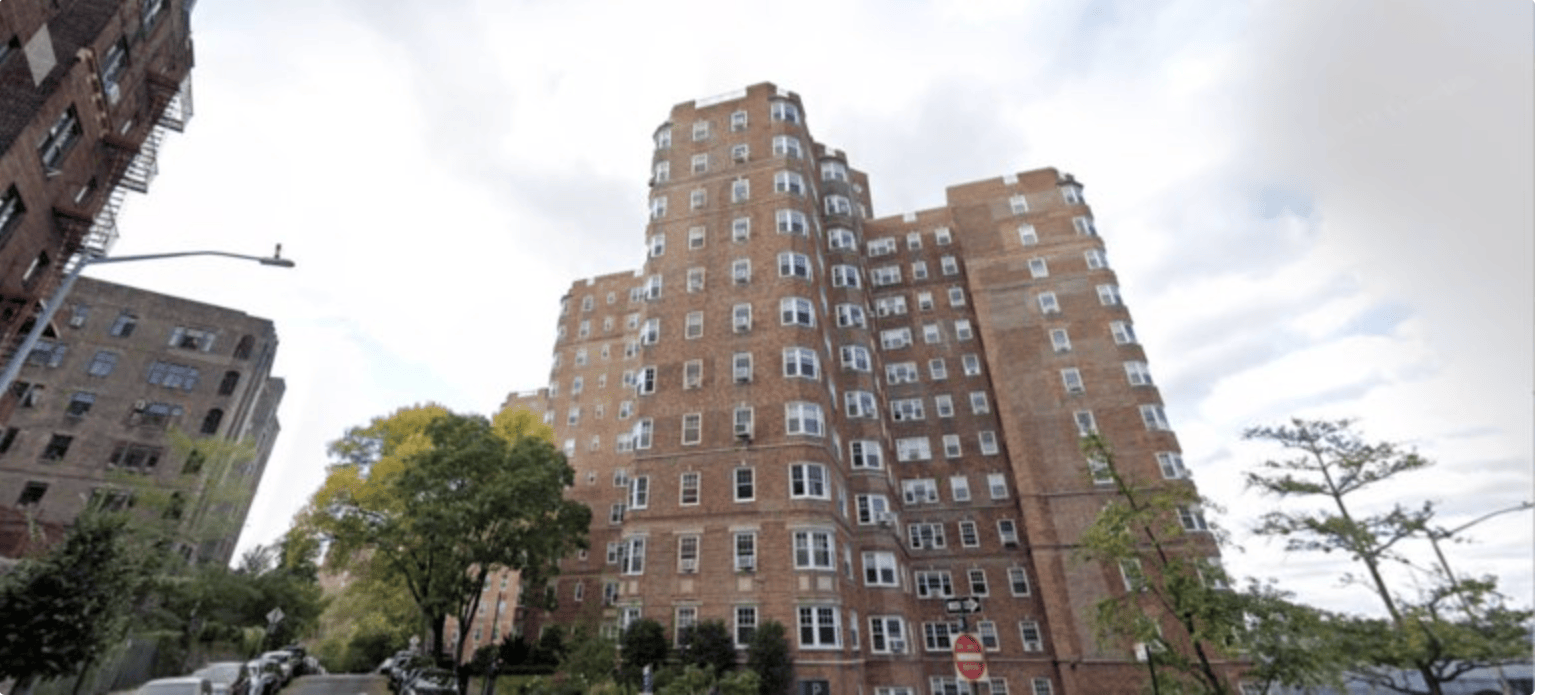
The co-op board at Castle Village was forced to raise maintenance by 19% and levy two assessments.
When its 65-foot-tall retaining wall collapsed onto the Henry Hudson Parkway in 2005, shareholders in the Castle Village co-op were on the hook for $27 million in repairs. That trauma is ancient history, but today those shareholders are faced with rising costs that are less dramatic but possibly even more devastating. And they’re emblematic of the pressures that are squeezing co-ops and condos across the city.
Early this year the Castle Village co-op board raised everyone’s monthly maintenance fee by a whopping 19%, according to documents seen by Crain’s. That increase is just the start. There’s also an ongoing assessment to rebuild the co-op’s reserve fund, and in January comes a “special assessment” that’s planned to last four years. For some shareholders, the cost of living in the co-op has jumped by 50% in the past year.
But their plight is hardly unique. Owing to rising costs for repairs, insurance, energy, property taxes and compliance with a host of local laws, co-op and condo boards across the city are forcing neighbors to swallow huge cost-of-living increases. Data from research firm Miller Samuel show that monthly operating costs for co-ops have jumped by 53% since the start of 2020 and by 51% at condominiums. That’s more than double the accumulated rate of inflation, according to the U.S. Department of Labor.
Castle Village’s energy costs doubled last year, to $1.6 million, because the price of oil soared after Russia invaded Ukraine. Insurance costs for all co-ops and condos erupted after an apartment building on the Florida coast collapsed two years ago. Adding to the financial burden, the city’s Facade Inspection and Safety Program requires the inspection and repair of facades every five years, and Local Law 97 of the city’s ambitious Climate Mobilization Act will require a reduction of building carbon emissions beginning next year, a potentially costly mandate for a small percentage of buildings. To top it off, higher interest rates mean higher borrowing costs.
“The cost of everything has gone up,” says Mary Ann Rothman, executive director of the Council of New York Cooperatives & Condominiums, which represents about 1,000 buildings.
One thing is certain. As those costs go up, co-op and condo boards cannot stand still. Budgets must be balanced. And the only ways to do that are to cut expenses, increase maintenance, levy assessments, take on added debt — or some combination of the four. Aware of this math, some boards are raising maintenance fees by 6% to 12% annually. The norm used to be 3% or even less.
Castle Village’s board president, Andrew Ditton, realizes the steep maintenance increase and assessments are asking a lot of his neighbors. But previous boards put off essential repairs because the co-op’s bank account was emptied by the cost of fixing the collapsed retaining wall two decades ago. Now, the bill for everything else that needs fixing at the 85-year-old co-op is due.
“The good news,” Ditton says, “is we’re way more than halfway done with everything we need to do.” The bad news for other co-ops and condos is that expenses are sure to keep going in one direction: straight up.