
Habitat Magazine
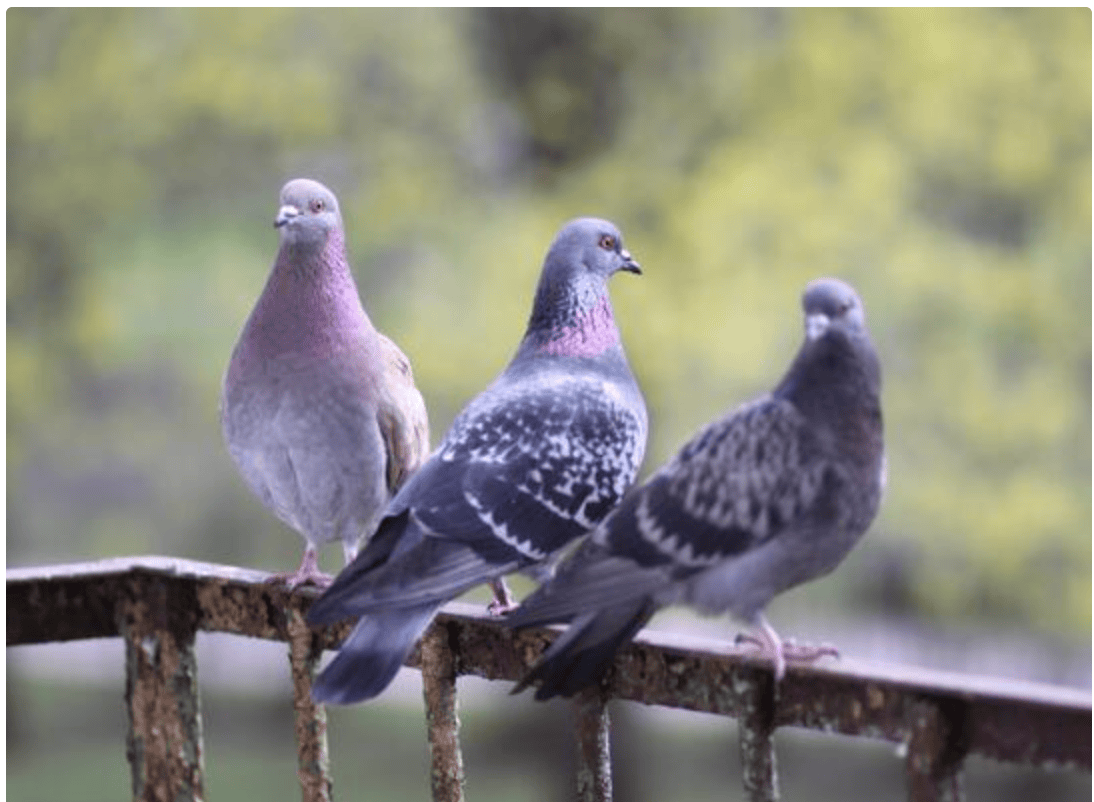
Q: I have lived in a co-op on the Upper East Side for about 40 years, and had enjoyed its sizable balcony until it became infested with pigeons. Management allowed us in writing to pay to install screens, which worked for many years. The new management ripped them down and won’t allow us to replace them. The pigeons are back, building nests and reproducing. It’s filthy, and I won’t set foot out there. What can we do?
A: Unfortunately, just because the previous management company granted you written permission to install the screens doesn’t necessarily mean that you can do so now, replies the Ask Real Estate column in The New York Times.
If management wasn’t permitted under your co-op’s proprietary lease and bylaws to let you install the screens in the first place, you can’t insist that you have that right to reinstall them now.
Therefore, shareholders need to look at the co-op’s governing documents to see whether shareholders are responsible for maintaining the balcony, and whether they have the right to install screening or other deterrents, says Leni Morrison Cummins, chair of condominiums and cooperatives at the law firm Cozen O’Connor.
It’s possible that the co-op’s governing documents offer the worst of both worlds: Shareholders might be responsible for maintaining the balcony, keeping it clean and free from bird droppings, yet prohibited from adding screening or other measures to deter avian invaders.
Unlike in a typical landlord-tenant relationship, the co-op’s maintenance obligations are defined by the governing documents, and it’s not clear that filing a lawsuit would offer relief in your case.
“Courts are often reluctant to impose duties that the cooperative did not expressly assume,” Cummins says.
But there is an option that doesn’t involve a lawsuit. Once you establish what is allowed under your governing documents, you could write to the co-op board and management company and explain your concerns about the pigeons and the mess they are creating. See if you can come to an agreement on an effective deterrent that is inconspicuous, such as netting.
“Pigeons are homing birds,” says Andrew Fletcher, a foreman at Bell Bird Control in Parsippany, N.J. “Once they establish that area as their home, they will come back no matter what you do.”
You can purchase gel that can prevent pigeons from landing, but the application process could take over your entire balcony. Some deterrents, like shiny objects, noise machines or plastic owls, might work for a time, but Fletcher says that in his experience, these solutions are temporary. He adds that shareholders have just one option: “They’ve got to put up a physical barrier.”
And before they do that, they’ve got to win the blessing of the co-op board.