
Brooklyn; HABITAT Magazine
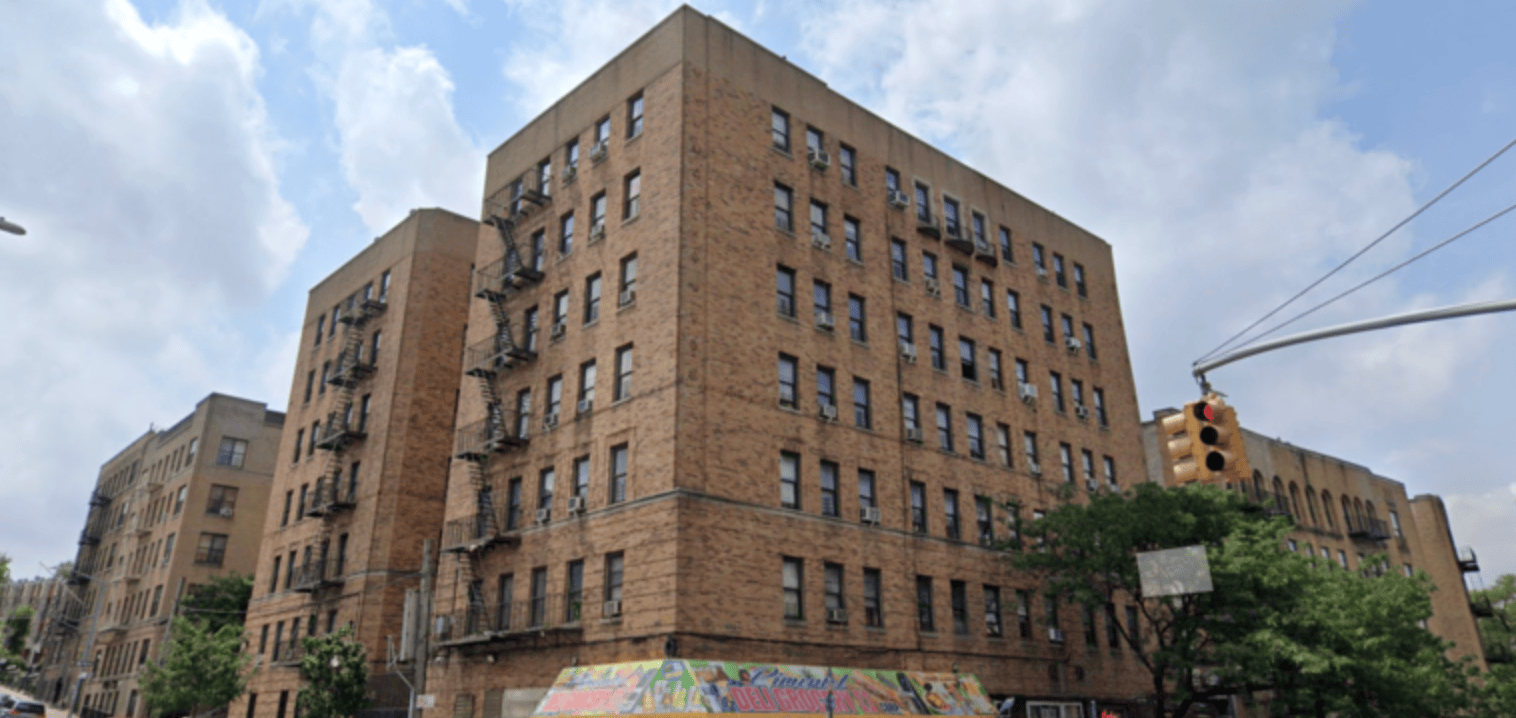
The board in a Brooklyn condominium hasn’t held elections in more than four years, and unit-owners are worried about the building’s financial management. The board has promised to set a date for the next election, but the management company is seeking candidates to replace one member — who will be chosen by the board, even though the bylaws state that a majority of the unit-owners must be present at the meeting and elect all three board members. What recourse do these aggrieved unit-owners have?
It’s possible that the board can select a member to fill a vacancy on an interim basis — most bylaws allow this, Bruce Cholst, a partner at the law firm Herrick Feinstein, tells the Ask Real Estate column in The New York Times. However, he adds, the board should also call an annual meeting at which an election of board members to full terms can be held.
To make this happen, concerned unit-owners can write a group letter to the board, the managing agent and the building attorney, requesting that an annual meeting and election be scheduled. The letter should state that the board is in violation of the bylaws because there hasn’t been an election in four years. The letter should also cite the relevant bylaws and request a response by a certain date.
If the letter does not yield results, unit-owners can hire a lawyer to write a letter demanding compliance and threatening legal action. “As always, litigation is the weapon of last resort,” says Debra Guzov, who practices real estate law in Manhattan.
It’s possible to begin such litigation through what’s known as an Article 78 proceeding, which occurs when a governing body is not adhering to its own internal documents. But it must be done within four months of the board’s refusal to take action, Guzov notes.
Dissatisfied unit-owners could also consider fielding a slate of candidates to take board control, so that they can ensure proper financial management of their building. But either way, unit-owners have the right to review the condominium’s annual financial statements, which is required under the New York State Condominium Act.
Condominium unit-owners are not powerless, but they must be motivated if they want to make changes to their condo board.