
Five Qualities of a Great Leader: Hope, Trust, Gratitude, Strength, and Purpose
By Christine O’Connell, Ph.D. for Psychology Today
Leadership isn’t just about making decisions or hitting targets, it is about inspiring, empowering, and creating a culture where people feel valued. The best leaders don’t just manage; they uplift. By fostering hope, trust, and a strong sense of purpose, leaders can help their teams thrive.
1. Lead With Hope and Vision
Hope is a job that starts at the top. A 2025 Gallup Poll found that 56% of people believe hope is the most important trait in a leader. When employees see a leader who believes in a better future, they are more engaged, motivated, and resilient. Hope fuels optimism, encourages problem-solving, and helps people navigate challenges with confidence. Leaders should share their vision clearly, celebrate progress, and remind their teams that they are part of something meaningful.
2. Foster a Culture of Trust
Trust is the foundation of strong leadership. When teams trust their leaders, they collaborate more effectively, take creative risks, and perform better. Research shows that employees in high-trust environments are not only more productive but also happier and healthier. Trust isn’t built overnight—it comes from consistency, transparency, and genuine connection. Leaders should communicate openly, follow through on commitments, and actively listen. By doing so, they create a culture where people feel safe and supported.
3. Practice Gratitude and Invest in Well-Being
Gratitude isn’t just a nice gesture, it’s a leadership superpower. Studies show that when leaders express appreciation, employees feel more engaged, satisfied, and loyal. A simple “thank you” can go a long way in building a positive work culture. But beyond words, investing in whole-person health, including mental, emotional, and physical well-being, ensures that employees feel valued and supported, and helps avoid burnout. Burnout affects your bottom line. A Workhuman and Gallup poll found that workplace turnover due to burnout alone is 15-20% of payroll. Investing in whole-person health creates a deeper connection to the organization and builds workplace community. Supporting work-life balance, encouraging wellness, and recognizing individual contributions create an environment where people stay, and can do their best work.
4. Empower Others by Recognizing Their Strengths
Great leaders don’t just correct mistakes, they amplify strengths. A strengths-based leadership approach leads to higher engagement, better performance, and stronger teams. Instead of focusing on weaknesses, leaders should recognize what their team members excel at and give them opportunities to shine. Great leaders also recognize their own strengths and lean into those. When people feel seen for their talents, they gain confidence, take ownership, and contribute more meaningfully.
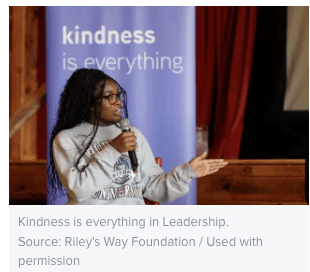
5. Lead With Kindness and Purpose
Leadership isn’t about being the loudest voice in the room, it’s about lifting others up. Kindness isn’t a weakness; it’s a powerful leadership tool. Leading with empathy, active listening, and genuine care creates an environment where people feel valued and motivated. And having a clear purpose beyond just profits or productivity helps inspire others to work toward something bigger than themselves.
The Leadership We Need Today
In a world filled with uncertainty, strong leadership matters more than ever. The best leaders don’t just focus on results, they focus on people. By fostering hope, trust, and purpose, they create workplaces where individuals feel empowered, supported, and driven to make a difference. As Maya Angelou wisely said, “A leader sees greatness in other people. He or she can’t be much of a leader if all she sees is herself.” The greatest leaders inspire, uplift, and leave a lasting impact.
