
Habitat Magazine
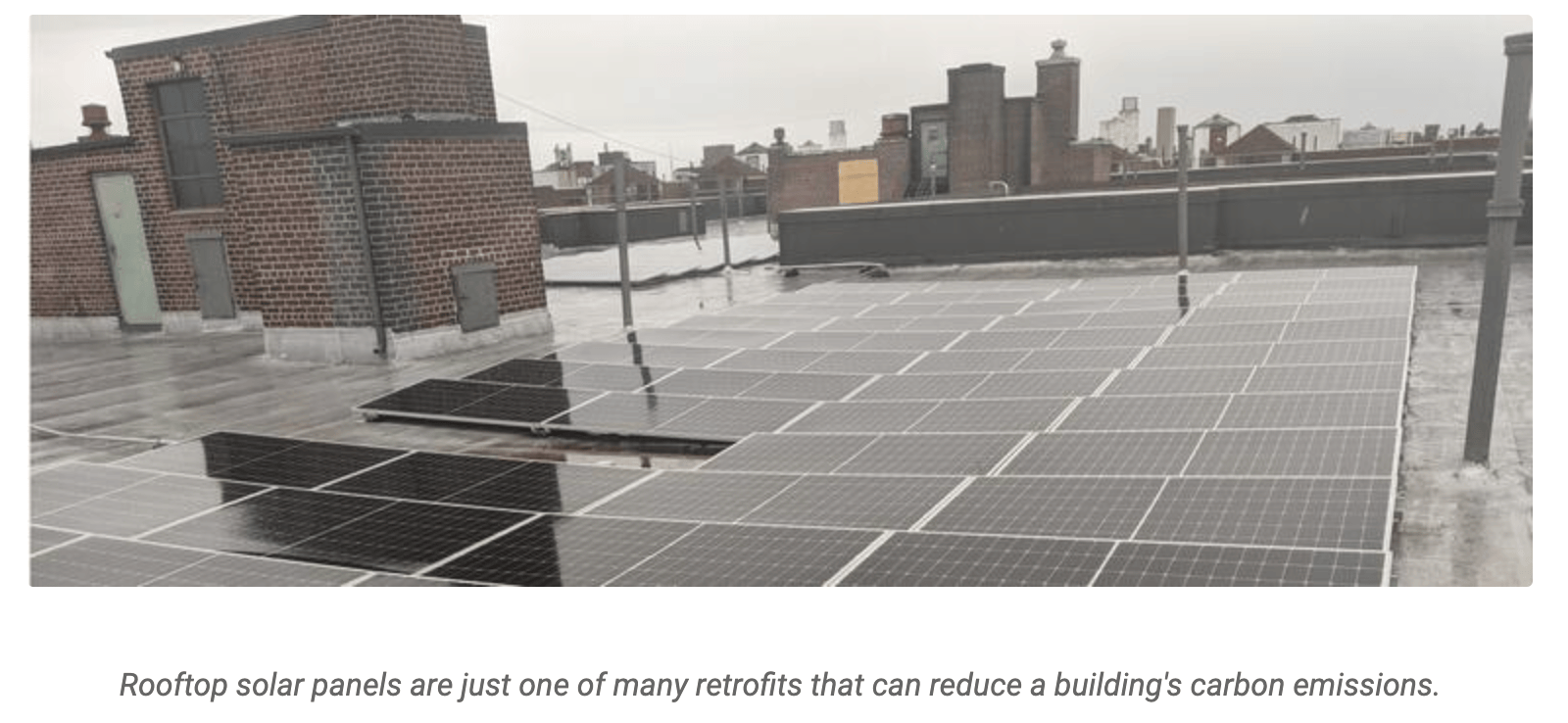
The word “final” has been getting a workout from the city’s Department of Buildings this year. The DOB has just released yet another “final” set of rules laying out how co-op and condo boards and other building owners can comply with the city’s ambitious and controversial climate law, Local Law 97.
With the first year of the law’s implementation drawing to a close, the DOB is seeking to allay concerns of building owners who are worried that the retrofits required to bring their buildings’ carbon emission into compliance will be financially devastating. Here are a few of the highlights of the latest batch of rules:
The Affordable Housing Reinvestment Fund will help pay for electrification retrofits in rent-stabilized apartments and low-income co-ops. Under the program, dubbed GreenHOUSE, building owners will be able to buy carbon offset certificates early next year, before the May 2025 deadline when owners of covered buildings need to file their initial report detailing their 2024 emissions and a decarbonization plan. They can buy offset certificates for up to 10% of their emissions limit.
Adjustments for legal, physical or financial constraints. The new rules lay out case-by-case adjustments to emissions limits if buildings face constraints that prevent compliance — such as historic preservation or accessibility requirements, physical conditions, or distressed finances. The proposed rules provide much-needed detail on why and how those adjustments may be granted.
Detail on fees. The proposed rules also set fees for various covered-building submissions, including simple building emissions reports, complex building emissions reports and “good faith efforts” reports, which apply to owners who make a sincere attempt to comply with the law but are financially unable to bring their carbon emissions below prescribed caps.
On Oct. 9 at 10 a.m., Urban Green Council is hosting a special webinar with the DOB to unpack the proposed rules. To participate, register here.
The DOB will also hold an online public hearing on the proposed rule changes at 11 a.m. on Nov. 7. To participate, register here.
The majority of covered buildings are already in compliance with Local Law 97’s first emissions caps, which went into effect on Jan. 1, 2024. But many will need to make retrofits to comply with more stringent caps that will go into effect in 2030 and in future years. A bill now before the city council, sponsored by Queens Councilmembers Linda Lee and Sandra Ung, would delay fines and increase carbon emissions caps for co-ops and condos across the city, especially the garden apartment complexes that are prevalent in their districts. Plus, Local Law 97 is facing a legal challenge from building owners in Queens who hope to overturn it.
It turns out, finally, that very little about Local Law 97 is final.