
HABITAT Magazine
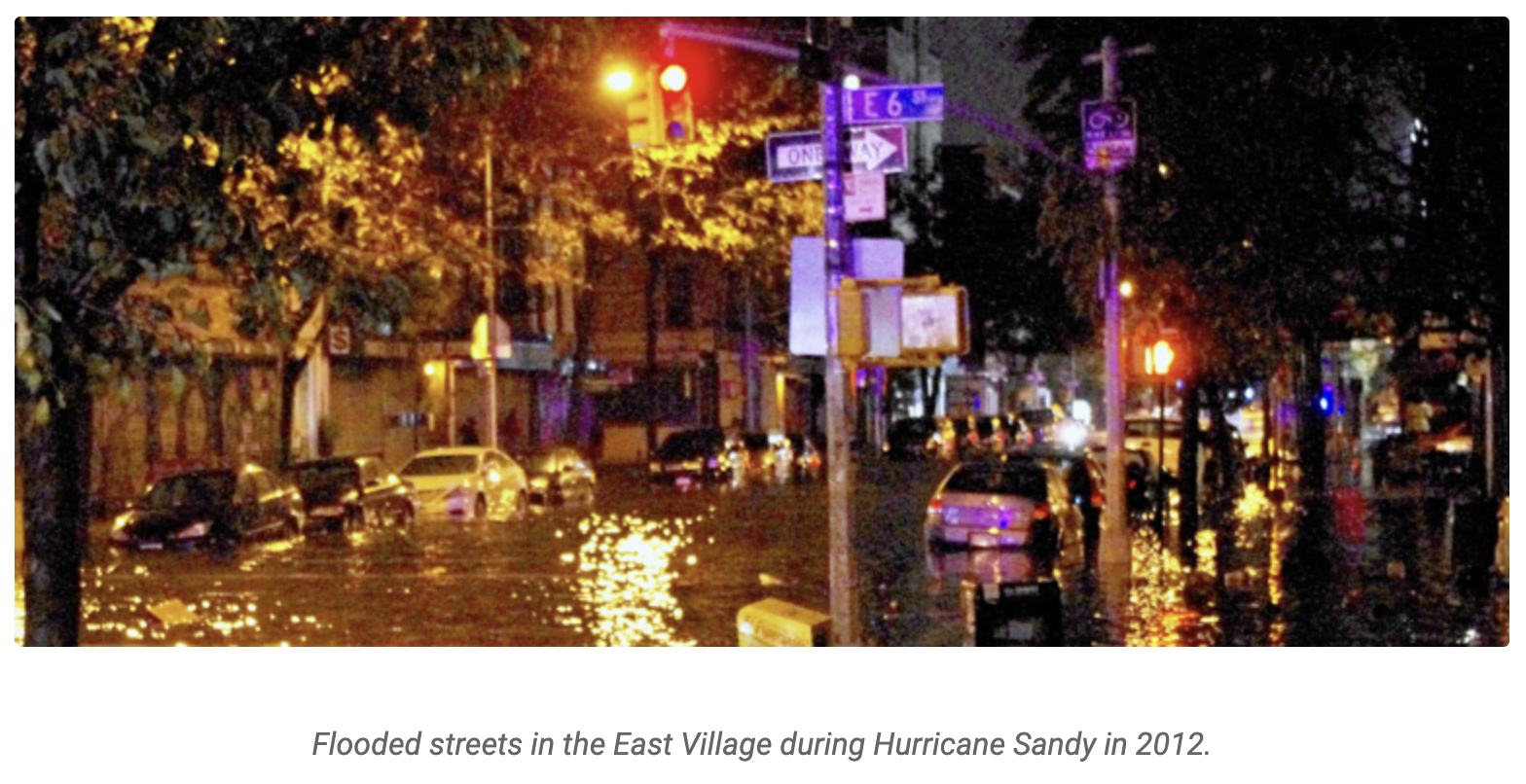
Many New York City co-op and condo boards are understandably anxious about the potential costs of complying with the city’s ambitious Climate Mobilization Act, especially Local Law 97, which sets strict limits on building carbon emissions. Buildings now account for about two-thirds of the city’s carbon ouput. One group of co-ops and condos in Queens grew so anxious, in fact, that it filed a lawsuit to block the law from going into effect on Jan. 1 of this year. The suit was dismissed.
New projections from the New York City Panel on Climate Change (NPCC) confirm that the city will be hotter, rainier and wetter in the coming years — with major shifts hitting the city within a decade. The NPCC’s latest estimates, as reported by The City, project sea levels around the city to continue to rise between half a foot and just over a foot in the 2030s. Annual precipitation is expected to increase by up to 10% in those years, while the city could experience temperatures between 2 and 4.7 degrees warmer.
The estimates, which have not been previously reported, are part of a forthcoming paper from the NPCC Climate Science Working Group and were reviewed during a presentation to a northeast climate consortium earlier this month.
First convened in 2008, the NPCC is a group of 20 climate experts who advise policymakers on the latest science and strategies to address hazards facing the boroughs. The panel has come out with four comprehensive reports since 2010, and is expected to release its fifth in April.
“The direction of the change and the general magnitude of those changes are very constant,” says Luis Ortiz, a climate scientist and professor at George Mason University, who worked on the report. “Things are going to get hotter and relatively wetter… We need to prepare, and we need to adapt now to get ready for those changes.”
Given the changes that are on the way, the work can’t happen fast enough, says Klaus Jacob, a Columbia University geophysicist who previously served on the NPCC. “The city is moving in the right direction,” he says, apparently referring to Local Law 97 and other initiatives. “But compared to how the weather and climate is changing, it’s a snail’s pace, and the climate is a rabbit.”
In other words, reducing carbon emissions, from buildings and all other sources, is no longer a luxury but is now a necessity for New York.