
Habitat Magazine
Co-op and condo boards struggling to reduce their buildings’ carbon emissions have recently faced some disheartening news. Major clean-energy projects are facing severe economic headwinds, and there has been speculation that massive offshore wind projects might be abandoned. Such projects are critical to shifting the electric grid from fossil fuels to renewable energy-supplied power — and helping boards cut their carbon emissions enough to satisfy Local Law 97, which goes into effect in 2024.
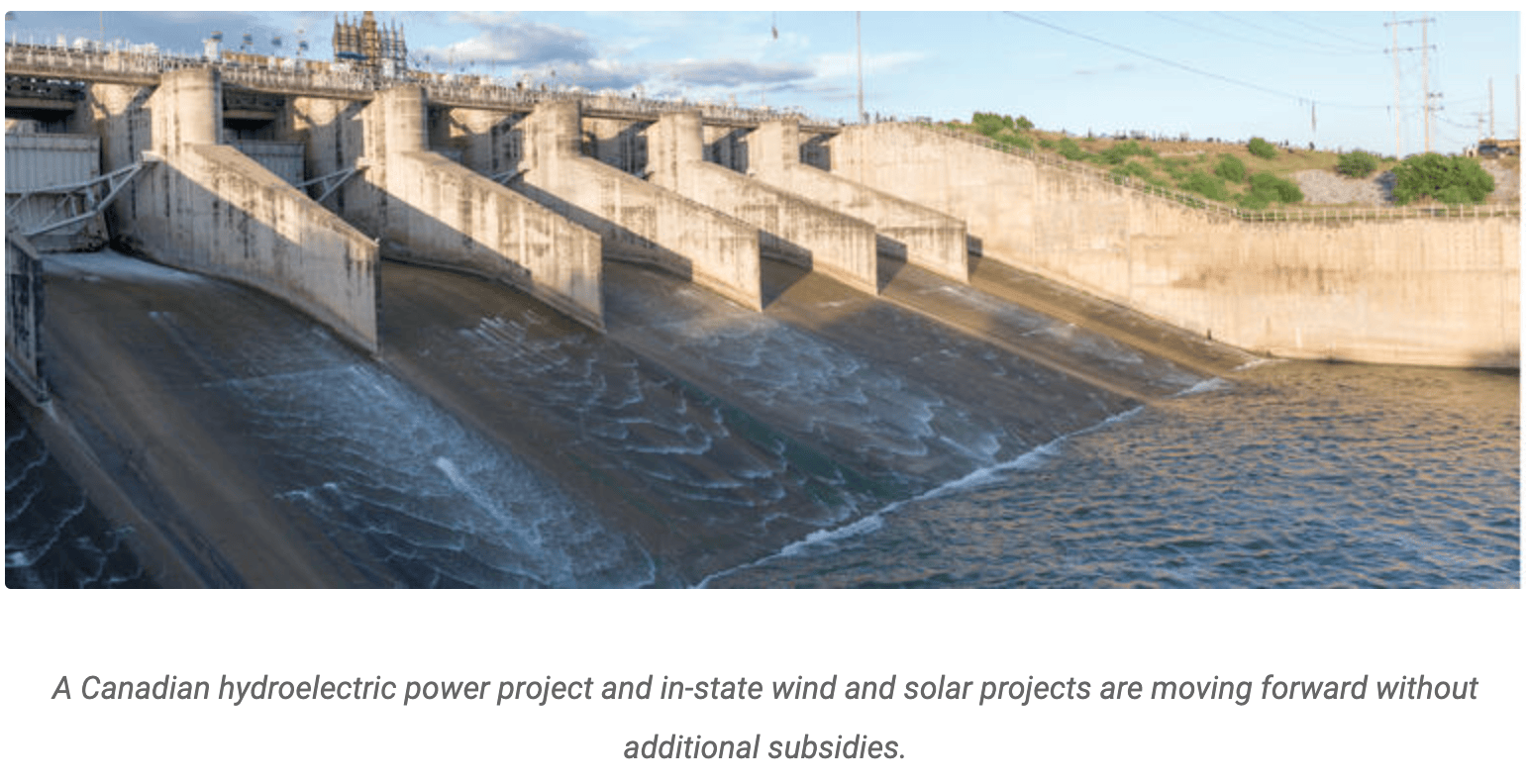
Not only do those offshore wind projects remain in the works, but two other clean-energy projects worth $17 billion have announced that they will move ahead without additional subsidies from the state, Crain’s reports.
The two projects are: the Champlain Hudson Power Express (CHPE), a 339-mile transmission project that is scheduled to bring energy from Quebec’s hydroelectric generating stations to the five boroughs, beginning in 2026; and the Clean Path New York (CPNY) projects, which will build a series of solar and wind developments that funnel energy to the city via a 175-mile transmission line, beginning in 2027.
In the wake of the refusal by state regulators to give an additional $12 billion in subsidies to the offshore wind projects, the CHPE and CPNY have abandoned their requests for additional state subsidies. Instead, they’ll move forward under their existing contracts. Their decision bodes well for the state’s existing pipeline of clean-energy projects, according to Robert Freudenberg, vice president of energy and environment at the Regional Plan Association. “There’s a lot of factors driving this challenging time for renewable energy,” Freudenberg says, “so I think the good news is that the projects haven’t been canceled, because we have seen projects canceled in other places.”
The CHPE will provide 20% of New York City’s electricity needs when it’s up and running. The New York Independent System Operator, which monitors the state’s power systems, has repeatedly warned that if CHPE fails to stay on track, New York City could face electricity shortages and be forced to rely longer on highly polluting “peaker” power plants, which are used during times of peak energy demand.
Chris Casey, senior attorney at the Natural Resources Defense Council says keeping both projects on course — especially in light of fresh uncertainty in the renewable energy sector — are essential to the build-out of New York’s green economy. He adds: “The timely completion of CHPE and CPNY will be massive steps forward for New York’s clean-energy transition that will enhance reliability while stabilizing energy prices made volatile by fossil fuels.”
And that’s good news for co-op and condo boards that are seeking to ditch fossil fuels and power their buildings with clean electricity.